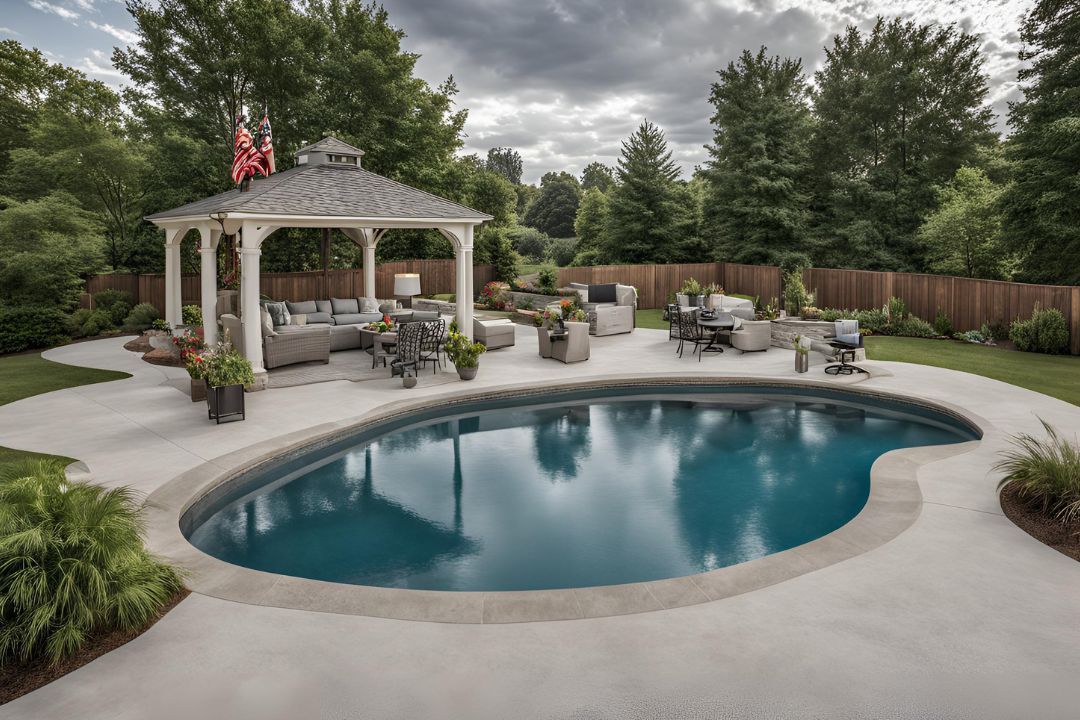
How Long Do Concrete Pavers Last? Lifespan & Durability Guide for Florida
How Long Do Concrete Pavers Last?
Lifespan & Durability Guide for Florida
Before you invest in a new driveway, patio, or pool deck — find out exactly how long your pavers will last in Jacksonville’s demanding climate, and what makes the difference between 20 years and 50+.
Paver Lifespan by Material — What to Expect in Florida
Not all pavers are created equal, and in Florida’s subtropical climate, material choice is everything. Here’s a clear breakdown of how long each paver type lasts under Jacksonville conditions:
| Paver Type | Lifespan (Florida) | Maintenance Level | Best For |
|---|---|---|---|
| Concrete Pavers | 25–50 years | Low-Moderate | Driveways, Patios, Pool Decks |
| Brick Pavers | 50–100+ years | Low | Driveways, Walkways, Patios |
| Travertine | Lifetime | Moderate (sealing required) | Pool Decks, Patios |
| Porcelain | 30–60 years | Very Low | Pool Decks, Coastal Properties |
| Asphalt (comparison) | 15–20 years | High | Driveways only |
| Poured Concrete (comparison) | 20–30 years | Moderate | Driveways, Patios |
What Affects Paver Lifespan in Jacksonville?
Jacksonville’s subtropical climate creates unique challenges for outdoor surfaces. Here’s what you’re working with — and how it affects your pavers:
Intense UV Rays & Heat
Jacksonville averages over 230 sunny days per year. Unsealed pavers will fade and degrade faster than in cooler climates. High-density concrete pavers with a UV-resistant sealant dramatically extend color and structural life.
Heavy Rainfall & Standing Water
With 52+ inches of annual rainfall — mostly dumped June through September — drainage is critical. Interlocking pavers naturally allow water to pass between joints, which is a major advantage over solid poured concrete that pools and cracks.
High Humidity & Mold Growth
Year-round humidity in Jacksonville means shaded or low-traffic paver areas can develop algae, mold, and mildew. Annual pressure washing and a breathable sealer keep this under control without damaging the pavers.
Tropical Storms & Hurricane Season
Interlocking pavers actually flex slightly under stress — unlike solid concrete slabs, they rarely crack under storm pressure. This makes them one of the most resilient options for Northeast Florida properties.
Coastal Salt Air
If your property is near Jacksonville Beach, Ponte Vedra, or the Intracoastal Waterway, salt air accelerates surface erosion. Porcelain pavers and dense concrete pavers with salt-resistant sealant are the top choices for coastal properties.
How to Make Your Pavers Last as Long as Possible
The difference between pavers that look stunning after 30 years and ones that look worn out after 10 almost always comes down to maintenance. Here’s what Jacksonville homeowners should do:
✅ Do These Things
- Seal every 2–3 years with a water-based breathable sealer
- Pressure wash annually to remove algae and mildew
- Refill joint sand with polymeric sand as needed
- Replace individual cracked pavers immediately
- Ensure proper drainage around the install area
❌ Avoid These Mistakes
- Skipping sealing — Florida UV degrades unsealed pavers fast
- Using harsh chemicals that break down the surface
- Parking heavy vehicles on patio-grade pavers
- Ignoring washing — algae works into joints and weakens them
- Delaying repairs — one cracked paver becomes ten
Signs It’s Time to Replace Your Pavers
Even the best pavers eventually show their age. Here are the key warning signs to watch for:
Widespread Cracking or Breaking
A few cracked pavers are normal and easily replaced. But widespread cracking across a large area often signals base failure — the gravel foundation has settled or eroded — and may require a full reinstall.
Persistent Sinking or Uneven Surfaces
Jacksonville’s sandy soil shifts, especially in areas with poor drainage. Sunken or uneven sections are a tripping hazard. Individual sections can often be lifted, re-leveled, and re-set without replacing the entire surface.
Severe Staining That Won’t Clean
Deeply embedded oil, rust from well water, or algae that won’t respond to pressure washing may indicate it’s time for a professional deep clean and reseal — or in extreme cases, replacement.
Joint Sand Completely Gone
When joint sand washes away, weeds take root fast and the structural integrity of the whole surface degrades. Annual polymeric sand refilling prevents this from becoming a costly problem.
Frequently Asked Questions
You might also like